Brand recall is the reason some Australian brands get remembered after a single touchpoint, while others get forgotten in minutes. In practice, it shapes what custom promotional products look like, feel like, and how often they get used, because use is what keeps a brand top of mind.
The simplest rule is this: if a product is easy to notice, easy to use, and easy to connect to a brand, it will usually lift recall more than something flashy that ends up in a drawer.
How does brand recall affect the first design decisions?
It pushes designers to prioritise recognition over novelty in custom promo products. The first decisions typically lock in brand cues like logo placement, core colours, and one clear message, because people remember simple, repeated signals.
In Australian campaigns, this often means choosing one hero asset, such as a logo and tagline, and giving it space to breathe. When layouts get crowded, recall drops because the eye has nowhere to land.
Which brand elements are most likely to be remembered?
Distinctive brand assets are most memorable, especially consistent colours, shapes, and a logo that appears the same way across channels. For custom promotional products, the goal is to make those assets unavoidable without making the item unusable.
For example, a brand colour on a drink bottle cap, lid, or grip can be recognised faster than a small logo hidden on the base. Repetition of the same asset across multiple items also compounds memory.
What role does product usefulness play in recall?
Usefulness is a direct multiplier of recall because every use is a repeat impression. That is why well-chosen custom promotional products tend to be practical, not gimmicky.
In Australia, high-frequency items often include keep cups, tote bags, desk pads, USB-C cables, and quality pens. If the product solves a small daily problem, people keep it, carry it, and see the brand more often.
How should designers choose products for Australian audiences?
They should match items to local routines and contexts, such as commuting, outdoor weekends, school runs, and office hot-desking. This keeps custom promotional products relevant, which increases the odds of repeated use and recall.
For a Brisbane summer activation, insulated bottles and caps can outperform hoodies. For Melbourne events, umbrellas and beanies can stay in rotation longer. Local fit matters more than trendiness.
How do colour and contrast influence immediate recognition?
High contrast improves instant recognition, especially at a glance in busy settings like expos, airports, and CBD streets. Designers often use brand colours as the base and place the logo where it will be seen during normal handling of custom promotional products.
Contrast should be tested on the actual substrate. A logo that looks sharp on screen can fade into a matte fabric or textured recycled plastic. If visibility drops, recall drops with it.
Where should the logo go to maximise recall?
It should sit where hands do not cover it and where the product naturally faces outward during use. With custom promotional products, “front and centre” is not always the best spot if the user’s grip blocks the mark.
On tote bags, a large print on the outward-facing panel wins. On pens, the barrel near the clip can work better than the tip area. On drinkware, the side that faces outward when held in the right hand is often the prime position.
How does tactile design improve brand memory?
Texture and feel create a stronger memory trace than visuals alone because touch adds a second pathway to recognition. Many custom promotional products perform better when they have a distinctive finish, such as soft-touch coating, embossed logos, or a unique grip pattern.
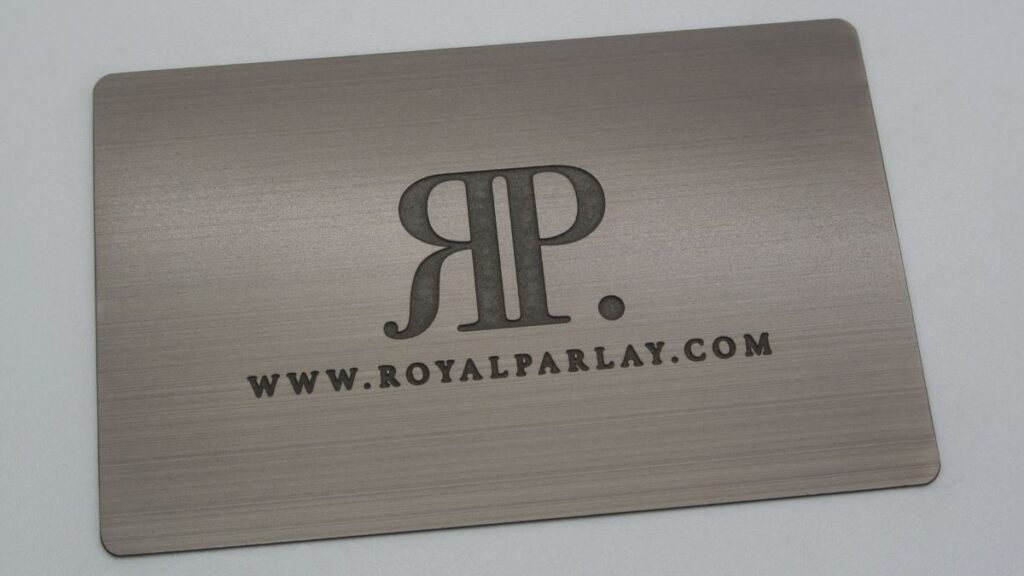
In Australian corporate gifting, premium-feel items can increase retention because recipients treat them as “keepers.” A raised mark on leatherette or an engraved logo on metal often lasts longer than printed ink.
How does message length affect recall on promotional items?
Short messages are remembered more reliably because people rarely stop to read long copy on an item. The best custom promotional products usually carry one idea: a brand name, a short tagline, or a single call-to-action.
If they need extra information, a QR code can help, but it should not replace clarity. The product should communicate the brand even if the QR code is never scanned.
What’s the best way to design for repetition without annoying people?
Design for subtle repetition through consistent assets, not louder branding. With custom promotional products, that often means using the same colour palette and logo lock-up across a small range, rather than overprinting every surface.
People tend to keep items that look good in public. If a bag or bottle feels like an advertisement, it may be used less, which reduces recall. Style and restraint can outperform size.
Other Resources : Australian Government Branding Guidelines | PM&C
How do different printing methods impact long-term recall?
Durability directly affects recall because worn branding becomes unreadable. For custom promotional products, the print method should match the item’s lifespan and the way people use it.
Laser engraving and debossing tend to hold up well on metal and leatherette. Screen printing can be excellent on textiles when done properly. For drinkware, dishwashing resistance matters, especially for office kitchens and cafés.
How can designers avoid “forgettable” product choices?
They should avoid items with low use frequency, low visibility, or poor fit for the audience. Many forgotten custom promotional products share the same pattern: they are hard to carry, hard to store, or feel cheap.
A bulky novelty item might get a laugh at a Sydney conference, but a slim card wallet or a reliable charger is more likely to stay in someone’s daily kit. The best test is whether the item earns a spot in a bag.
How does event context change design for recall?
Event context changes what people notice and what they will keep. For custom promotional products at trade shows in Australia, designs should be high-visibility from a distance and easy to transport, because attendees are moving fast and carrying multiple items.
For in-office onboarding packs, the context is slower and more personal. Subtle branding and higher perceived quality can create stronger recall because the items live on desks for months.
How do Australian compliance and ethics influence design choices?
They affect product safety, claims, and what materials are appropriate, which influences trust and memory. Custom promotional products should avoid questionable health claims, misleading sustainability labels, or materials that feel out of step with an organisation’s public commitments.
If a brand positions itself as eco-conscious in Australia, recipients will notice contradictions. A “green” message printed on a low-quality plastic item can create negative recall, which is still recall, but not the kind they want.
How should sustainability be handled without weakening brand recognition?
Sustainability should be integrated into the product choice and communicated simply. For custom promotional products, recycled materials, refillable formats, and long-life construction can support both brand values and repeat usage.
Designers can add a small line such as “recycled PET” or “refillable” near the logo, but it should not compete with the primary brand cue. The product’s function and quality should do most of the talking.
How can brands measure whether the design improved recall?
They can track both direct and indirect indicators. With custom promotional products, direct measurement might include post-event surveys asking unaided recall, aided recognition, or “where did they hear about the brand” responses.
Indirect signals include QR scans, branded search lifts in Australia during campaign windows, and increased return visits from event lists. They can also test two versions of a design across similar audiences and compare recognition outcomes.
What does a strong recall-first design process look like?
It starts with one recall goal, one audience, and one usage context. Then the team chooses custom promotional products that recipients will genuinely use, and designs them around clear, durable brand assets.
A simple process is: define the moment they want to be remembered, pick the item that will be used in that moment, place the logo where it will be seen during use, and choose a finish that survives real life. If it stays in rotation, recall follows.
Related : What Budget Range Suits Custom Promotional Products for Small Teams?
FAQs (Frequently Asked Questions)
What is brand recall and why is it important for custom promotional products in Australia?
Brand recall refers to how well a brand is remembered after a single touchpoint. In Australia, it influences the design and use of custom promotional products because items that are easy to notice, use, and connect to a brand tend to keep the brand top of mind longer than flashy but impractical products.
How do initial design decisions impact brand recall in custom promotional products?
Early design choices prioritize recognition over novelty by focusing on clear brand cues like logo placement, core colours, and a single clear message. Australian campaigns often select one hero asset such as a logo or tagline with ample space, avoiding crowded layouts that reduce recall by giving the eye nowhere to focus.
Which brand elements enhance memorability on custom promotional products?
Distinctive brand assets like consistent colours, shapes, and logos that appear uniformly across channels are most memorable. For example, using a brand colour on a drink bottle cap or grip is more quickly recognized than a small hidden logo. Repeating the same asset across multiple items further strengthens memory retention.
Why is product usefulness crucial for increasing brand recall with promotional items?
Usefulness multiplies recall because each time the product is used it reinforces brand impressions. Practical items such as keep cups, tote bags, desk pads, USB-C cables, and quality pens are favored in Australia as they solve daily problems, encouraging recipients to keep and frequently use them, thus boosting brand visibility.
How should designers select custom promotional products for Australian audiences to maximize recall?
Designers should choose items aligned with local routines like commuting, outdoor activities, school runs, or office hot-desking. This relevance increases repeated use and recall—for instance, insulated bottles perform well in Brisbane summers while umbrellas and beanies suit Melbourne events better. Local fit outweighs trendiness.
What role do colour contrast and logo placement play in enhancing immediate recognition of branded promotional products?
High contrast between brand colours improves instant recognition in busy environments such as expos or city streets. Logos should be placed where they remain visible during normal handling—avoiding areas covered by hands—to maximize visibility. Testing contrast on actual materials ensures the branding stands out effectively, thereby supporting stronger recall.